
January 21, 2024
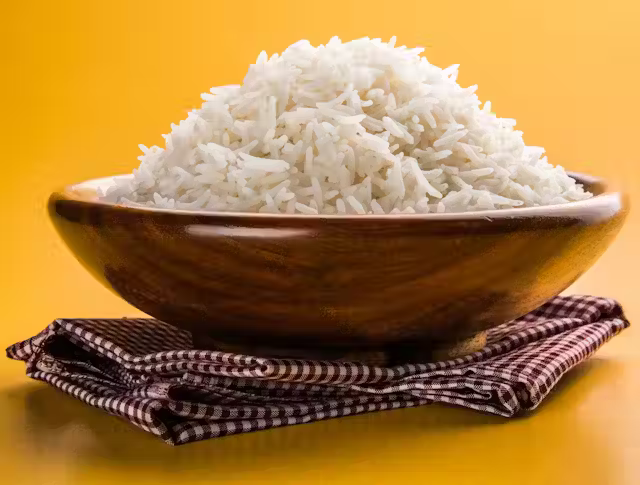
Basmati Rice vs Non-Basmati Rice: What’s the Difference?
Rice is a staple food for millions of people worldwide, but not all rice is the same. Two of the most common categories you’ll find in markets are Basmati rice and Non-Basmati rice. While both are widely consumed, they differ in aroma, texture, taste, and nutritional value. Let’s explore these differences so you can make the right choice for your meals.
🌾 What is Basmati Rice?
Basmati rice is a long-grain rice variety, primarily grown in India and Pakistan. The word “Basmati” comes from the Sanskrit word meaning “fragrant”, which perfectly describes its unique aroma.
Key features of Basmati rice:
-
Long, slender grains that elongate further when cooked.
-
Distinct aroma and flavor, often described as nutty.
-
Non-sticky texture, with each grain remaining separate.
-
Perfect for biryani, pulao, and special dishes.
🌱 What is Non-Basmati Rice?
Non-Basmati rice refers to all other varieties of rice that are not classified as Basmati. They come in different shapes and sizes—short, medium, long, or even broken grains.
Key features of Non-Basmati rice:
-
Grain size and shape vary—can be short, round, or slender.
-
May be sticky or soft, depending on the variety.
-
Usually lacks the strong aroma of Basmati rice.
-
Commonly used in daily cooking, South Indian dishes, idlis, dosas, and porridge.
⚖️ Nutritional Comparison
| Aspect | Basmati Rice | Non-Basmati Rice |
|---|---|---|
| Grain Type | Long, slender, aromatic | Varies: short, medium, or long grain |
| Texture | Non-sticky, fluffy when cooked | Can be sticky or soft |
| Glycemic Index | Lower (better for diabetics) | Moderate to high, depending on type |
| Flavor | Nutty, aromatic | Mild to neutral |
| Best For | Biryani, pulao, fried rice | Daily meals, idlis, porridges |
🍴 Which One Should You Choose?
-
Choose Basmati rice if you want aromatic, fluffy grains for festive or special dishes.
-
Choose Non-Basmati rice for everyday meals, regional recipes, or if you prefer softer/stickier rice.
Both types of rice are nutritious and versatile—it ultimately depends on your taste preference, budget, and cooking style.
✅ Final Tip: Keep both varieties at home! Use Basmati for special occasions and Non-Basmati for daily meals, so you enjoy the best of both worlds.

3 Comments
farmuswp
Contrary to popular belief, Lorem Ipsum is not simply random text. It has roots in a piece of classical Latin literature from 45 BC, making it over 2000 years old. RichardClintock.Contrary to popular belief, Lorem Ipsum is not simpl
January 22, 2024Haque
Contrary to popular belief, Lorem Ipsum is not simply random text. It has roots in a piece of classical Latin literature from 45 BC, making it over 2000 years old. RichardClintock.Contrary to popular belief, Lorem Ipsum is not simpl
January 22, 2024Jaber
Contrary to popular belief, Lorem Ipsum is not simply random text. It has roots in a piece of classical Latin literature from 45 BC, making it over 2000 years old. RichardClintock.Contrary to popular belief, Lorem Ipsum is not simpl
January 22, 2024